


This site runs ads and generates income from affiliate links. Read my disclosure policy.
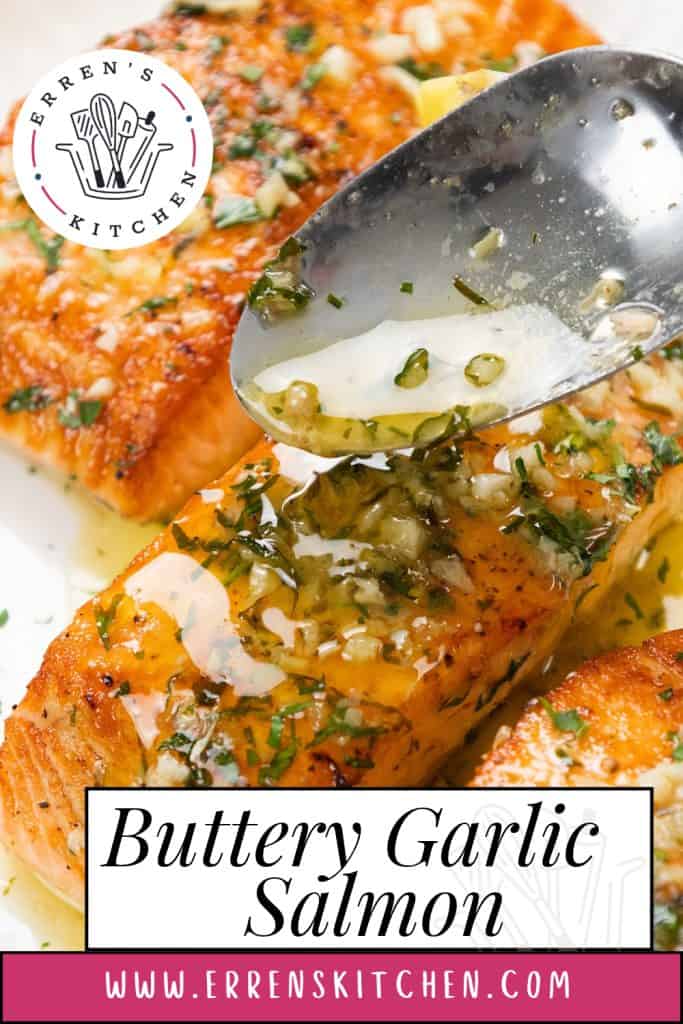
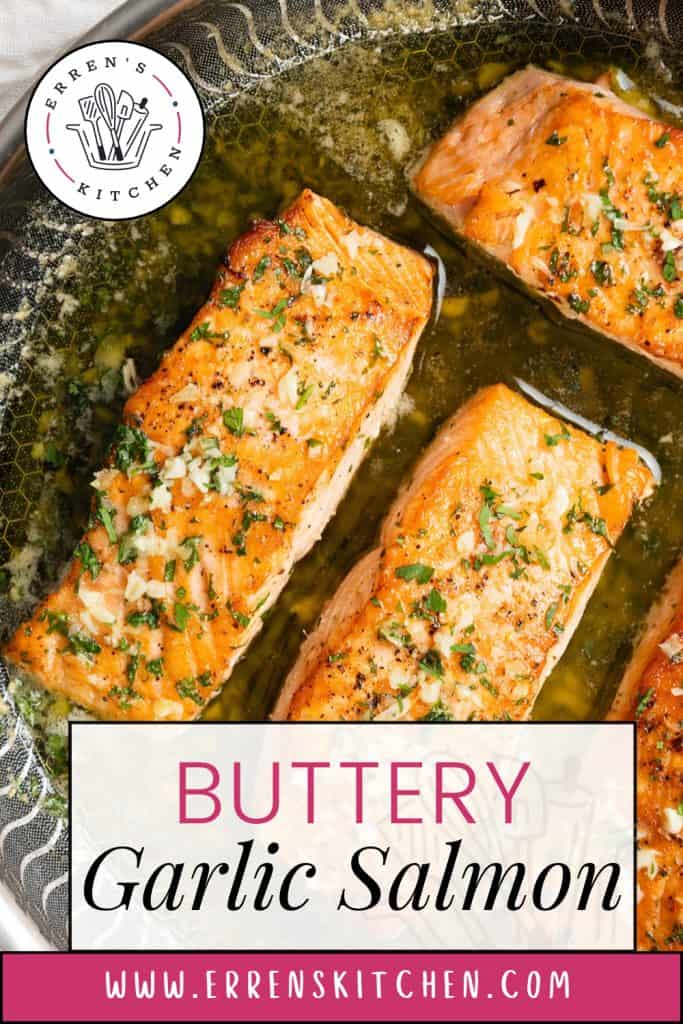
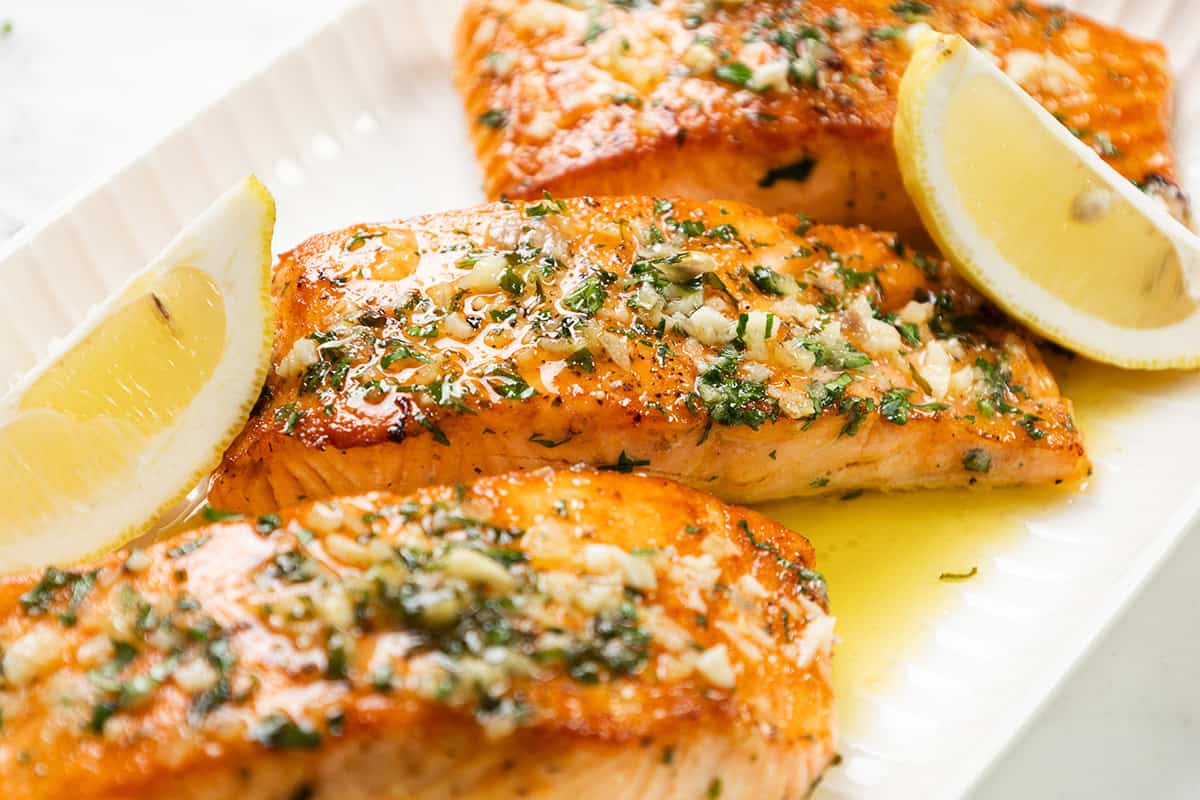
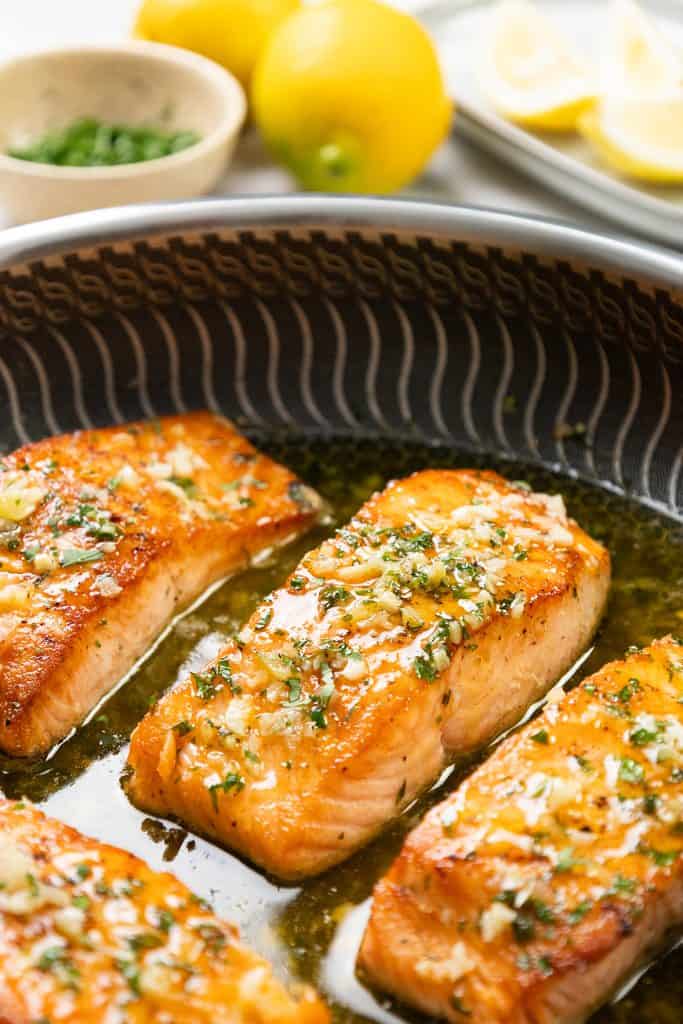
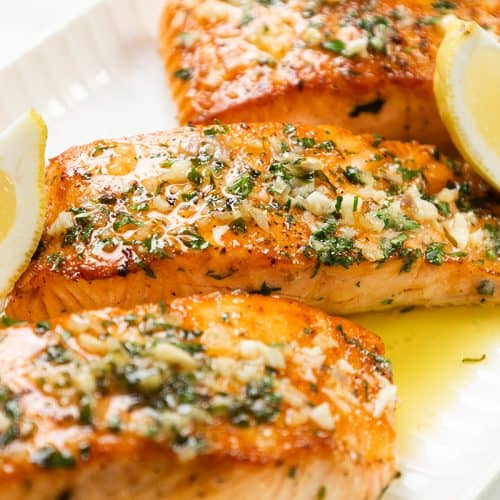
This Buttery Garlic Salmon has a golden, lightly crisp exterior and a rich garlic butter sauce with a touch of honey and fresh lemon.
Know Before You Scroll

What You’ll Need
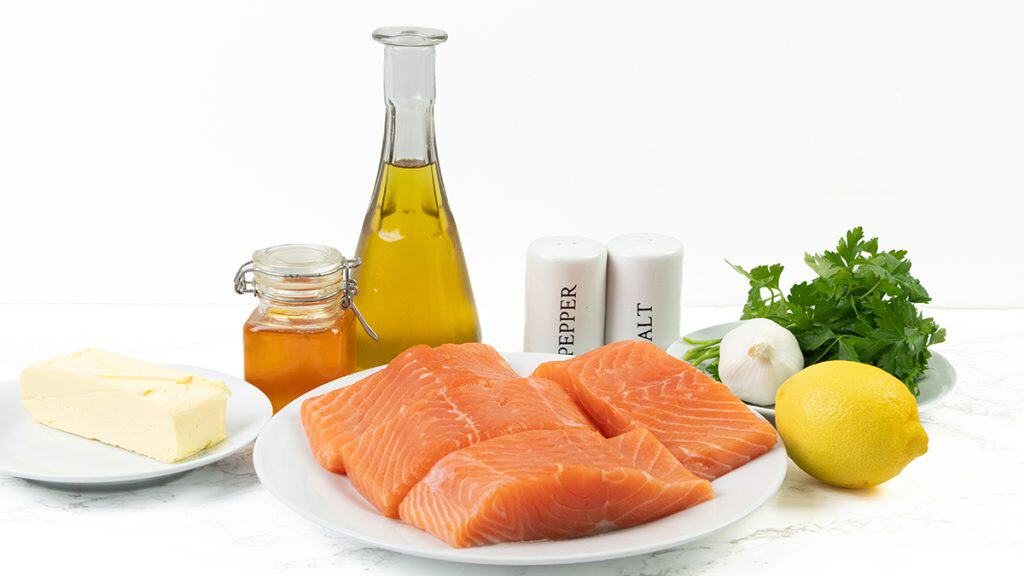
Salmon fillets, olive oil, butter, garlic, honey, fresh parsley, lemon, salt, and pepper.
Flavor Profile
Rich and garlicky, with a touch of sweetness from honey and a fresh lemon finish.
Difficulty Level
A little attention while searing is all you need.
Equipment Needed
A large nonstick skillet, spatula, and instant-read thermometer.
Top Tip
Sear the salmon before making the garlic butter sauce. This helps develop a golden crust while preventing the garlic and honey from burning.
Time-Saving Tips
Use pre-portioned salmon fillets and pre-minced garlic to cut down on prep time without sacrificing flavor.
Ingredient Swaps
Swap honey for maple syrup, use fresh dill instead of parsley, or substitute trout for salmon.
In the Test Kitchen
The key to this recipe is cooking the salmon and sauce separately.
Searing the salmon first allows it to develop a golden crust without exposing the garlic and honey to high heat for too long. Once the fish is seared, the heat is reduced and the garlic butter sauce comes together in the same skillet.
Returning the salmon to the sauce at the end coats each fillet in buttery, garlicky flavor without sacrificing that lightly crisp exterior.
It’s a simple technique that makes a big difference.
Ingredient Notes
Salmon
Best Choice
Use center-cut salmon fillets, about 5–6 ounces each. Choose fillets of similar thickness for even cooking. Both skin-on and skinless work well.
Substitutions
Frozen salmon works just as well. Thaw completely and pat dry before cooking. Trout is another good alternative.
Butter
Best Choice
Unsalted butter creates a rich, silky sauce and gives you better control over the seasoning.
Substitutions
Salted butter works too. Just adjust the added salt to taste.
Garlic
Best Choice
Freshly minced garlic gives the sauce its best flavor. Cook gently until fragrant to avoid bitterness.
Substitutions
Use 1½ teaspoons of jarred minced garlic for convenience.
Honey
Best Choice
Regular runny honey adds just enough sweetness to balance the rich butter and savory garlic.
Substitutions
Maple syrup works well, although it will give the sauce a slightly different flavor.
You can find the full, printable recipe at the top of this post, but you can read the detailed instructions with photos for each step below.
Step By Step Instructions
1
Prepare the Salmon
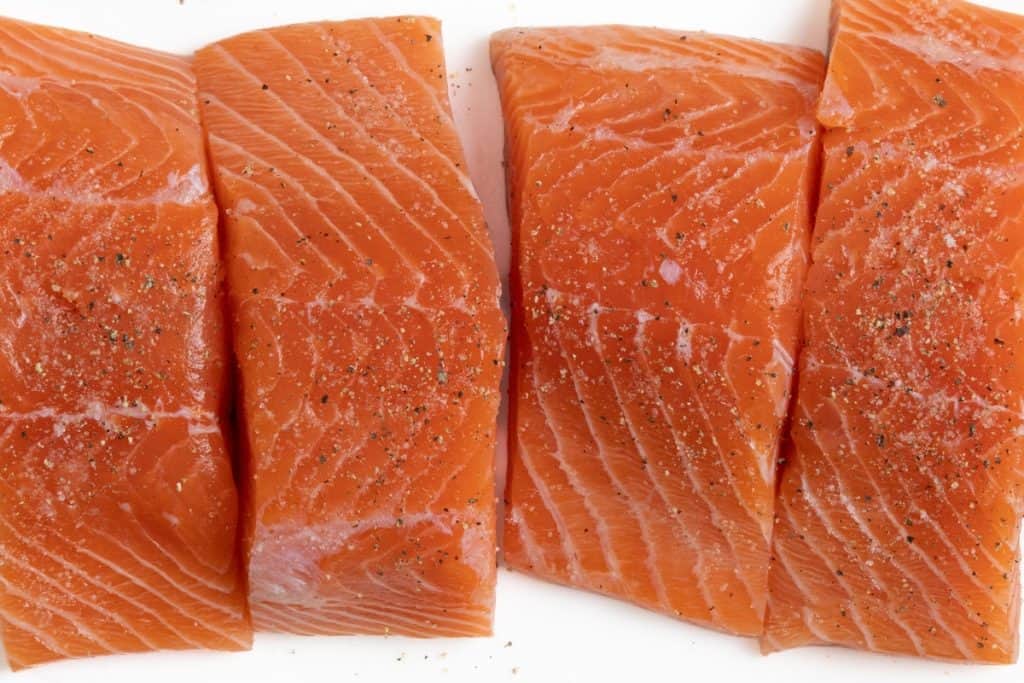
Pat the salmon fillets thoroughly dry with paper towels. Season both sides generously with salt and pepper.
Removing surface moisture helps the salmon brown properly instead of steaming.
2
Sear the Salmon
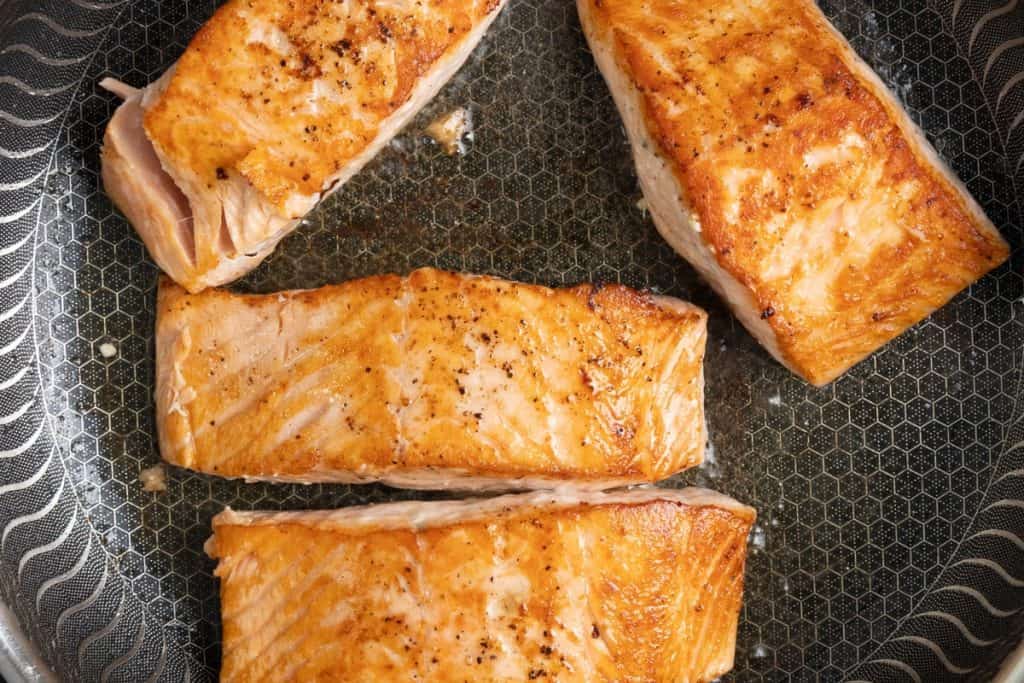
Heat olive oil in a large nonstick skillet over medium-high heat.
Add the salmon in batches, leaving enough space between the fillets. Press lightly to ensure good contact with the pan.
Cook undisturbed for approximately 3 minutes, until the underside is golden and lightly crisp.
Carefully flip the salmon and cook for another 3 minutes.
Transfer the fillets to a plate and repeat with the remaining salmon.
The fish will finish cooking when it’s returned to the sauce, so avoid overcooking it at this stage.
3
Make the Garlic Butter Sauce
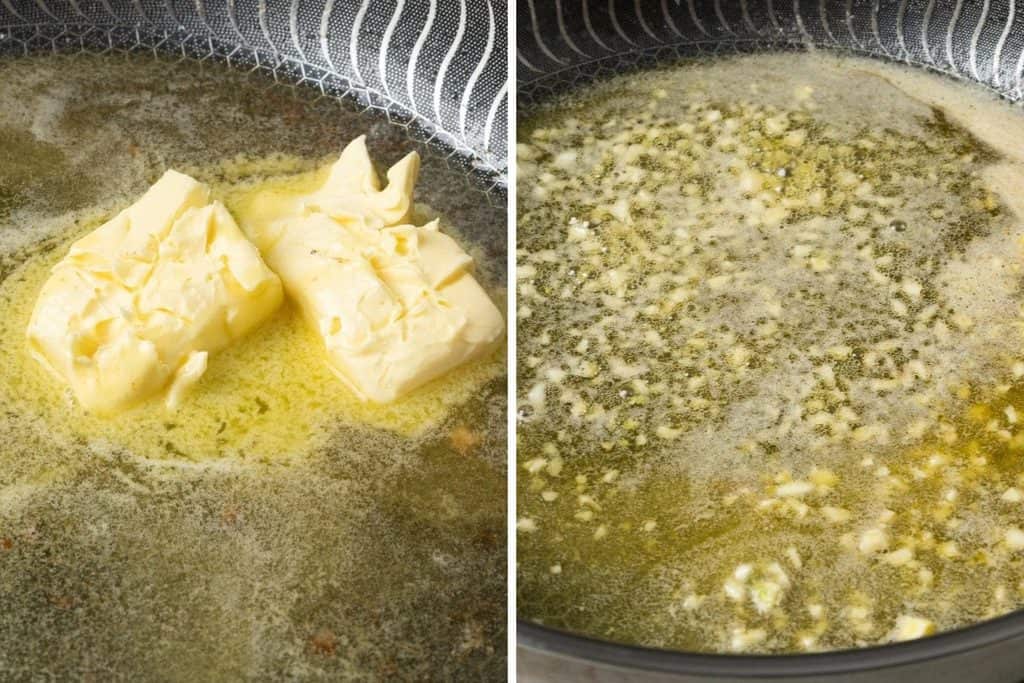
Reduce the heat to medium-low and melt the butter in the same skillet.
Add the minced garlic and cook for about 1 minute, stirring frequently, until fragrant.
4
Finish the Sauce
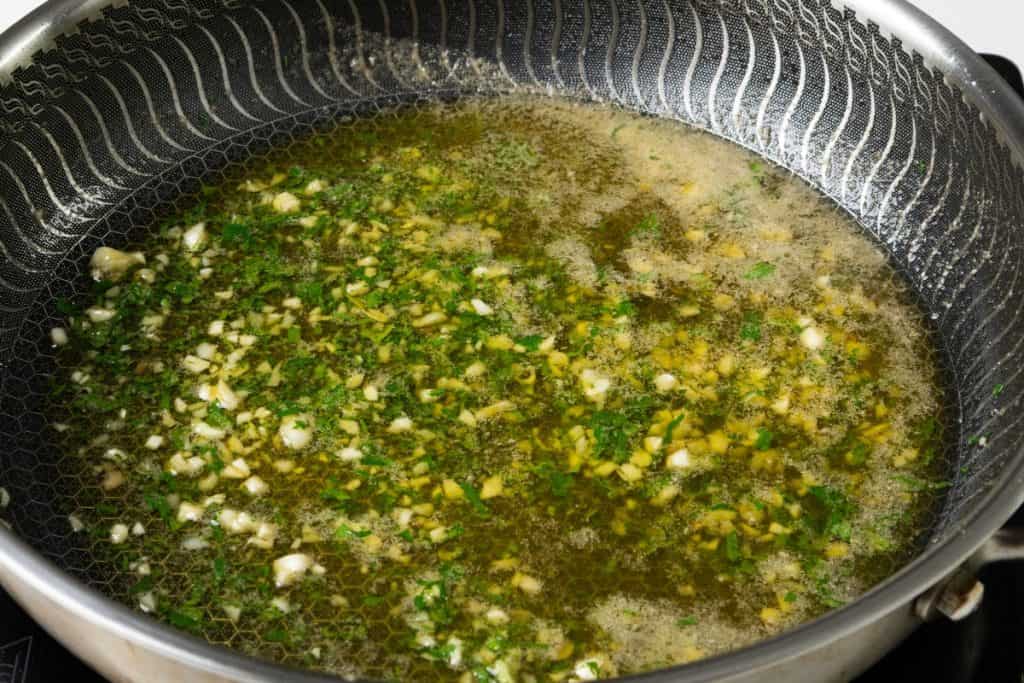
Stir in the honey and chopped parsley.
Cooking the sauce after searing the salmon helps prevent the garlic and honey from burning.
5
Finish the Salmon
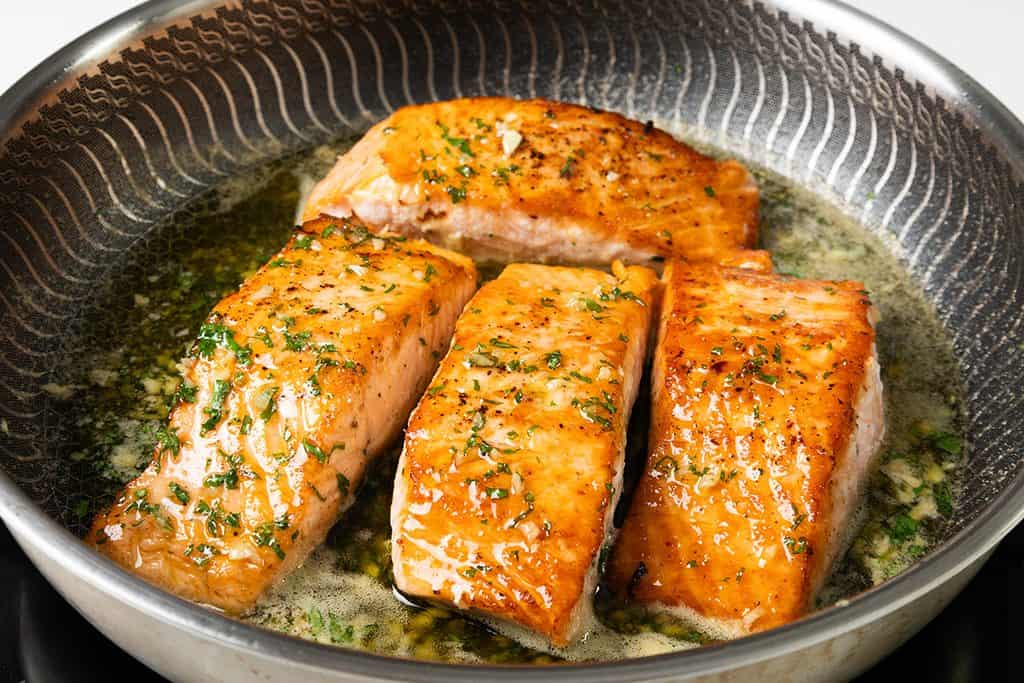
Return the salmon to the skillet, working in batches if needed.
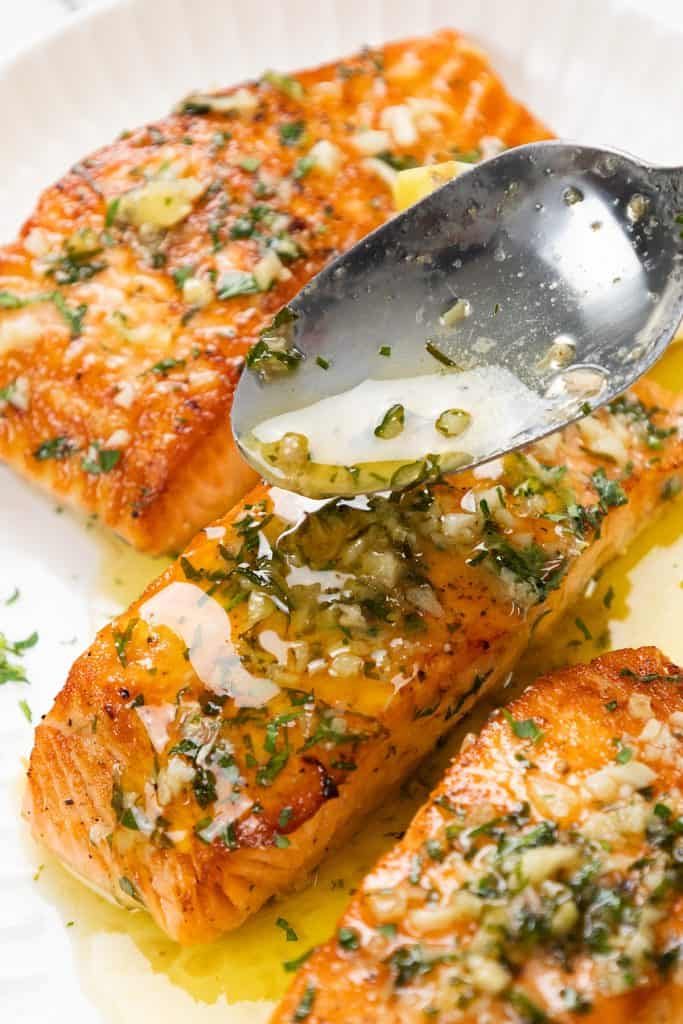
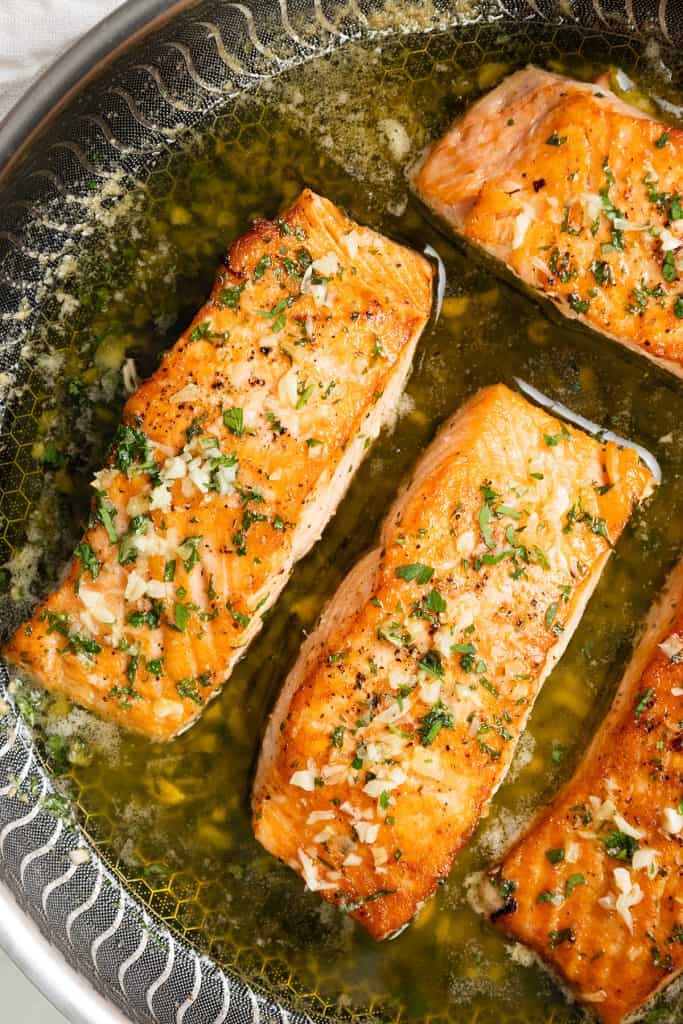
Spoon the warm garlic butter sauce over each fillet and cook gently for another 1–2 minutes, adjusting the time according to thickness.
Use an instant-read thermometer to check that the salmon has reached 145°F in the thickest part.
6
Finish and Serve
Taste the sauce and adjust the seasoning if needed.
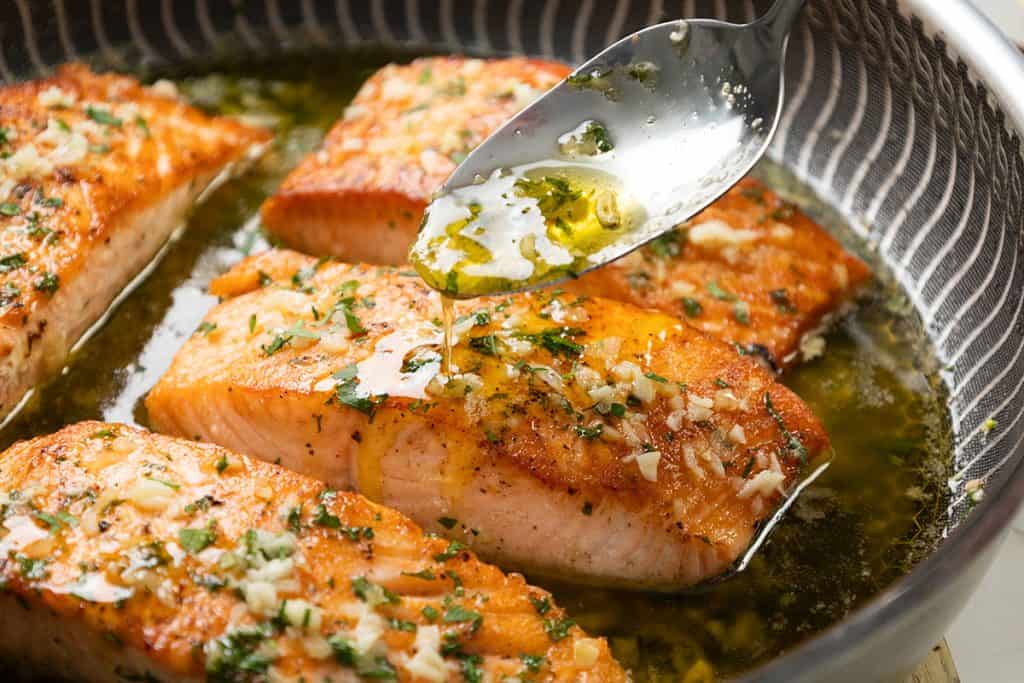
Finish with a squeeze of fresh lemon juice and serve immediately while the salmon is still lightly crisp and the garlic butter sauce is warm.
Spoon any extra sauce over the salmon and your chosen side dishes.
Perfect Pairings

Rate This Recipe
Recipe
Buttery Garlic Salmon
Ingredients
- 6 salmon fillets (5–6 oz each)
- Salt and pepper (for seasoning)
- 2 tablespoons olive oil
- 6 tablespoons butter
- 6 cloves garlic (minced)
- Fresh parsley leaves (chopped)
- 2 tablespoons honey
- Lemon wedges (for serving)
Instructions
- Begin by patting dry the salmon fillets with a paper towel. This helps to remove any excess moisture. Then, season the salmon generously with salt and pepper. This will add flavor to the fish.
- Heat up the olive oil in a large non-stick pan or skillet over medium-high heat. You want the pan to be nice and hot.
- Carefully place the salmon fillets into the pan, pressing them lightly so that the flesh makes good contact with the pan. Let them cook without moving them around for about 3 minutes. This will give the salmon a nice sear on one side.
- After 3 minutes, flip the salmon fillets over to cook the other side. Cook them for another 3 minutes. You want the salmon to be cooked through but still tender and moist inside.
- Remove the salmon from the pan and set it aside.
- In the same pan, add the butter and allow it to melt. Once the butter is melted, add in the minced garlic and cook it for about a minute. This will infuse the butter with the delicious garlic flavor.
- Now, add the honey and chopped parsley to the pan. Stir everything together.
- Return the salmon fillets to the pan and spoon some of the buttery garlic and honey mixture over the top. Cook for an additional 1-2 minutes. You’ll know it’s done when the center of the salmon is mostly opaque. It’s okay if the butter gets a little brown—it adds to the flavor.
- Taste the dish and season it with more salt and pepper if needed.
- Finally, give the salmon a squeeze of lemon juice for a refreshing zing before serving. Lemon wedges on the side are also a nice touch for those who want extra citrus flavor.
Tips
Erren’s Top Tips
Start with dry salmon. Moisture on the surface prevents proper browning. Pat each fillet thoroughly dry before seasoning. Use a hot skillet. A properly heated pan helps create that golden, lightly crisp exterior. Cook in batches. Overcrowding lowers the pan temperature and causes the salmon to steam rather than sear. Don’t move the fish too soon. Let the salmon cook undisturbed so it develops a good crust before flipping. Lower the heat for the sauce. Garlic and honey can burn quickly. Reducing the heat before adding them keeps the sauce flavorful rather than bitter. Use a thermometer. Cooking times vary depending on the thickness of the fillets. Check the thickest part for an internal temperature of 145°F. Save the extra sauce. The garlic butter is delicious spooned over rice, mashed potatoes, or vegetables. Serve immediately. The contrast between the lightly crisp salmon and warm, buttery sauce is best right after cooking.Variations and Substitutions
Try cod: Firm, mild cod works well with garlic butter and honey. Adjust the cooking time according to the thickness of the fillets. Use trout: Trout is another good alternative. Because trout fillets are often thinner than salmon, they may cook more quickly. Change the herbs: Substitute fresh dill or basil for parsley to give the dish a slightly different flavor. Add more lemon: If you prefer a brighter finish, serve with extra lemon wedges so everyone can adjust the flavor to taste.Storage and Reheating
Refrigerate: Allow the salmon to cool, then transfer it to an airtight container. Refrigerate for up to 3–4 days. Reheat: Place the salmon in a covered skillet over low heat with a little of the leftover garlic butter sauce. Warm gently until heated through, taking care not to dry out the fish. Leftovers should be reheated to 165°F for food safety. For the best texture, this dish is enjoyed immediately after cooking. Save to favoritesYour saved recipes will be right here waiting for you every time you visit, so you can easily find and make the meals you love.
FAQs
How do I know when salmon is cooked?
The salmon should appear opaque and flake easily when gently pressed with a fork. For the most reliable result, insert an instant-read thermometer into the thickest part of the fillet. The USDA recommends cooking fish to an internal temperature of 145°F.
Can I use frozen salmon?
Yes. Thaw frozen salmon completely in the refrigerator before cooking. Pat it thoroughly dry to remove excess moisture so it sears properly.
Why isn’t my salmon getting crispy?
The most common reasons are excess moisture, a skillet that isn’t hot enough, or overcrowding.
Pat the salmon dry, preheat the skillet, and cook in batches for better browning.
Can I make this recipe with skinless salmon?
Absolutely. Skinless fillets work well and can still develop a lightly crisp, golden exterior when properly seared.
Can I make the garlic butter sauce ahead of time?
You can prepare the sauce ahead and refrigerate it in an airtight container. Reheat it gently over low heat before serving, stirring until the butter has melted and the sauce is warm.
For the best texture, cook the salmon fresh and add it to the sauce just before serving.






Leave a Reply